
Creatine Explained: The Science behind one of the most popular supplements
Creatine has become a supplement staple for a lot of people, but what actually is Creatine Monohydrate, what does it do, should you take it? And what is the difference between micronized and non-micronized Creatine Monohydrate?
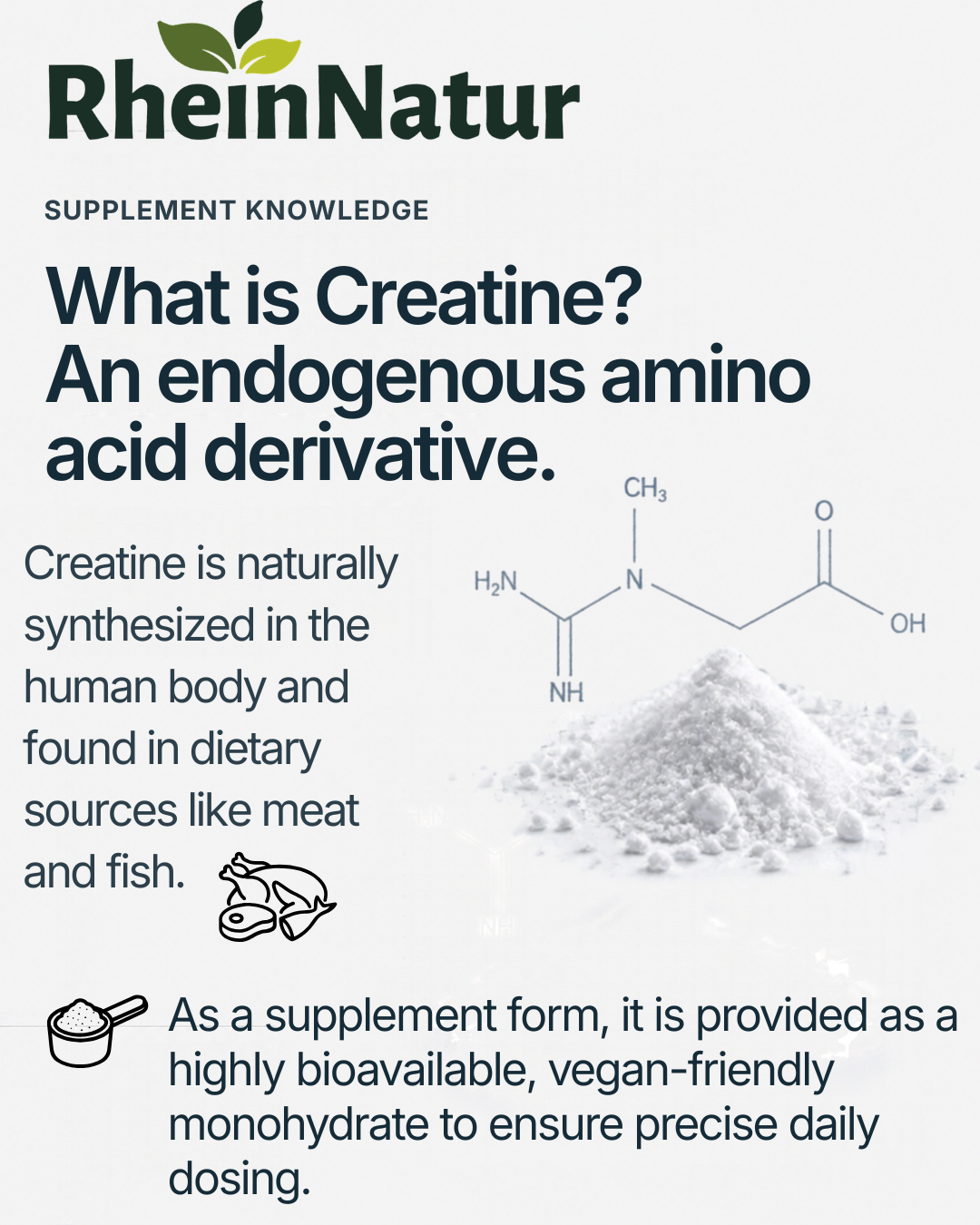
Creatine is one of the most extensively researched sports supplements and in recent years interest in it extended well beyond the gym. Alongside its established benefits for high-intensity exercise and strength training, scientists are exploring how it might support brain function and healthy ageing.
But which benefits are well established, and which are still emerging? Here is a practical, science-led guide to creatine, how it works, and what to look for when choosing a supplement.
What is creatine? The scientific explanation
Creatine is a naturally occurring, nitrogen-containing compound made by the body from the amino acids arginine, glycine and methionine. Technically, it is an amino acid derivative, rather than a protein or steroid.
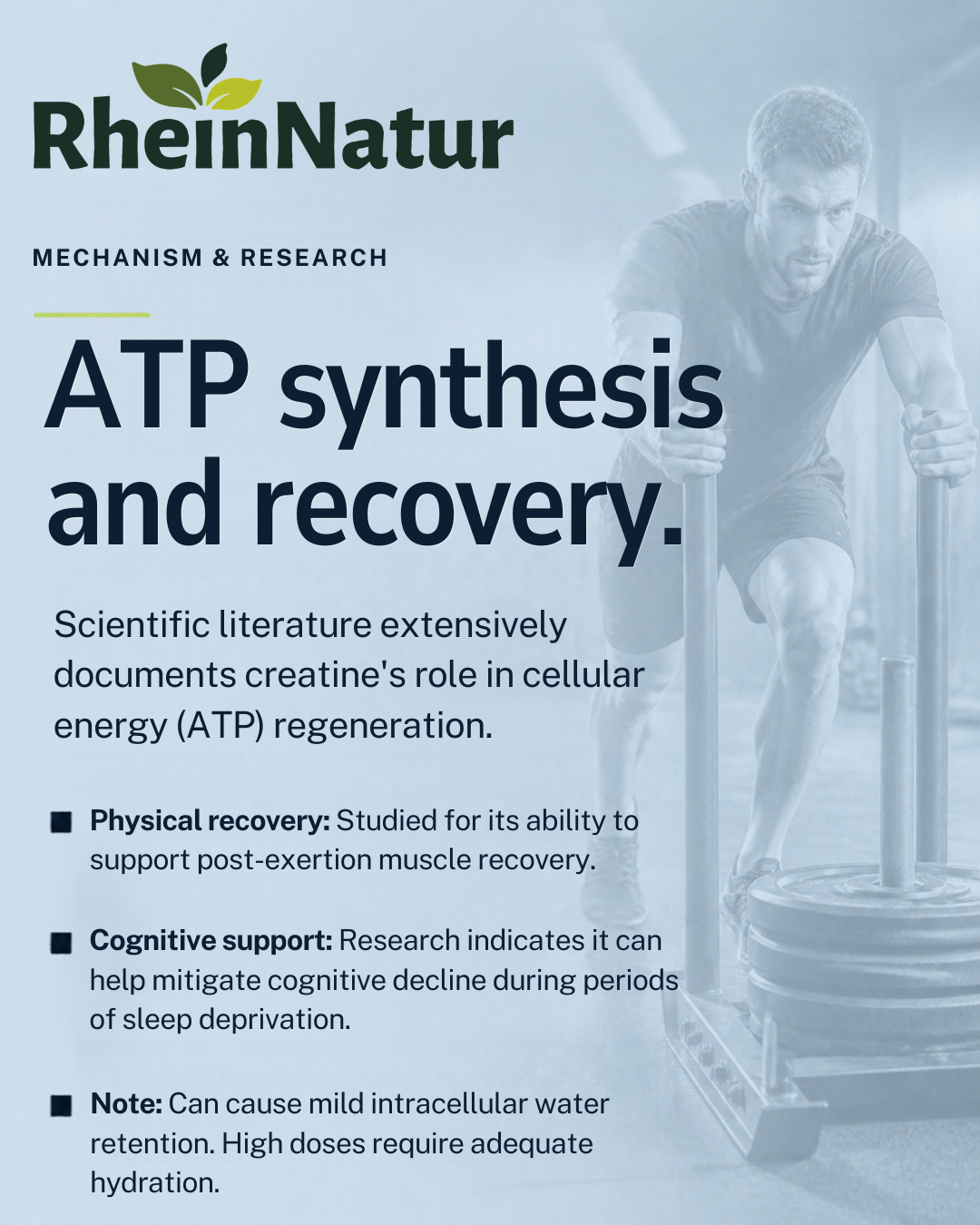
Around 95% of the body’s creatine is stored in skeletal muscle, with smaller amounts found in the brain and other tissues. Some is converted into phosphocreatine, which helps regenerate adenosine triphosphate, or ATP, the molecule cells use to power their activities.
During intense exercise, ATP is consumed rapidly. Phosphocreatine donates a phosphate group to help turn spent ATP, now called ADP, back into usable ATP. You might remember this from High School. Supplementation increases muscle creatine stores, supporting this rapid energy-recycling system.
Is Creatine vegan?
Creatine also occurs naturally in meat and fish. Supplementary creatine monohydrate is generally manufactured without animal-derived ingredients, making a verified vegan formulation suitable for people following plant-based diets.
Creatine Simple - The everyday explanation
If the above paragraph was too nerdy for you, here the short version: Think of ATP as your muscles’ immediately available battery power, and phosphocreatine as a quick-recharge reserve.
When you sprint, lift a heavy weight or accelerate repeatedly during a game, that reserve helps replenish energy quickly. Increasing it can help you sustain high-quality effort across repeated bursts of activity.
Creatine is not a caffeine-like stimulant. You do not need to “feel a buzz” for it to work: its main benefits develop as your muscles build up their creatine stores.
Which benefits are well established? What does the science say?
1. Better performance during repeated, high-intensity exercise Creatine’s strongest evidence concerns short, intense efforts, especially when repeated with brief recovery periods. Examples include resistance-training sets, repeated sprints and explosive movements in team sports. By supporting rapid ATP regeneration, creatine can help maintain performance across these efforts. However, it is not a universal performance booster: benefits for steady-paced endurance activities are less consistent.
2. Greater strength and lean-mass gains with resistance training Creatine can help people get more from a structured strength-training programme. Over time, being able to perform more high-quality training may contribute to greater strength and muscle development.
A 2024 systematic review and meta-analysis of 12 studies found that adults under 50 taking creatine alongside resistance training gained approximately 1.14 kg more lean body mass, on average, than those training without creatine.
That figure needs context: lean body mass includes water as well as muscle tissue, and creatine increases water within muscle cells. It should not be interpreted as 1.14 kg of additional new muscle protein.
The practical message is straightforward: creatine supports training adaptations; it does not replace training, sufficient protein or recovery.
3. Supporting muscle health as we age Creatine is not only relevant to younger athletes. Research also supports its use alongside resistance training to help older adults improve lean tissue mass and certain measures of strength.
Results vary between studies, and improvements in muscle measurements do not automatically establish benefits for falls, independence or longevity. Nevertheless, creatine combined with suitable strength training is a promising strategy for supporting ageing muscles. A recent systematic review and meta-analysis in older adults reported improvements in lean tissue mass and lower-limb strength, while also highlighting limitations in the available trials.
What about recovery?
Creatine has been studied for reducing muscle damage and supporting recovery after demanding exercise. Some findings are encouraging, but results differ by exercise protocol and outcome.
It is therefore more accurate to say that creatine may support aspects of recovery than to promise less soreness or faster recovery after every workout.
Beyond muscle: exciting research on the brain
The brain also needs a continuous supply of ATP, making creatine’s role in brain energy metabolism an important research area. Here, however, the evidence is less settled than it is for exercise performance.
Creatine during sleep deprivation One particularly interesting 2024 study in Scientific Reports investigated a single high dose of creatine during sleep deprivation. Researchers measured brain energy-related metabolites alongside cognitive performance. In this small controlled study, creatine improved certain cognitive outcomes and processing speed while participants were sleep-deprived. The findings suggest that creatine may help buffer some effects of unusually high energy demands on the brain.
But there are important limits. The study used 0.35 g per kilogram of body weight—approximately 24.5 g for a 70 kg adult, far above an ordinary daily serving. It does not show that a standard serving immediately reverses a poor night’s sleep, nor that readers should copy this experimental dose.
Creatine is not a substitute for sleep.
Memory and broader cognitive performance A 2024 meta-analysis covering 16 randomised controlled trials and 492 participants found a modest benefit for memory, with moderate certainty of evidence. It also reported improvements in some attention and processing-speed measures, but confidence in those findings was lower.
Importantly, the analysis did not find a significant improvement in overall cognitive function or executive function.
The balanced conclusion: cognitive benefits are plausible and increasingly supported in particular settings, but creatine is not yet established as a universal “brain booster.” Researchers still need to clarify who benefits most, at what dose, and under which conditions.
Micronized versus non-micronized creatine monohydrate
Creatine monohydrate remains the reference form because it has the largest research base for effectiveness and safety. “Monohydrate” means that each creatine molecule is associated with one water molecule in its crystalline structure.
“Micronized” describes the physical processing of the powder into smaller particles—not a different active ingredient. Smaller particles can disperse more readily and dissolve faster, potentially producing a less gritty drink. This does not necessarily mean greater final solubility.
Crucially, there is no convincing evidence that micronized creatine produces superior muscle uptake, strength gains or muscle growth compared with an equivalent dose of conventional creatine monohydrate. Standard monohydrate is already well absorbed.
Choose micronized powder for mixing convenience if you prefer it, rather than expecting stronger physiological effects. Purity, accurate dosing and independent testing matter more than particle-size marketing. This evidence-based review of common creatine questions provides useful background on formulations, dosing and safety.
How to take creatine, and what to expect
For healthy adults, a commonly studied maintenance intake is 3–5 g of creatine monohydrate daily. Taking it consistently, including on rest days, matters more than precise workout timing.
A loading phase can increase muscle stores faster, but it is optional. Daily maintenance dosing generally builds stores over several weeks.
Practical points include:
- Expect possible early weight gain: this often reflects increased water within muscle cells, not fat gain.
- Avoid unnecessarily large single doses: these can cause gastrointestinal discomfort.
- Stay appropriately hydrated: particularly when exercising in Hong Kong’s heat and humidity. Creatine does not require excessive water intake, and research does not support the claim that standard use causes dehydration.
- Tell your clinician before kidney testing: creatine may raise blood creatinine without necessarily indicating kidney damage, which can affect interpretation.
Recommended-dose use has a reassuring safety record in healthy adults. People with kidney disease, relevant medical conditions or medications, and those who are pregnant or breastfeeding should seek professional advice before supplementation.
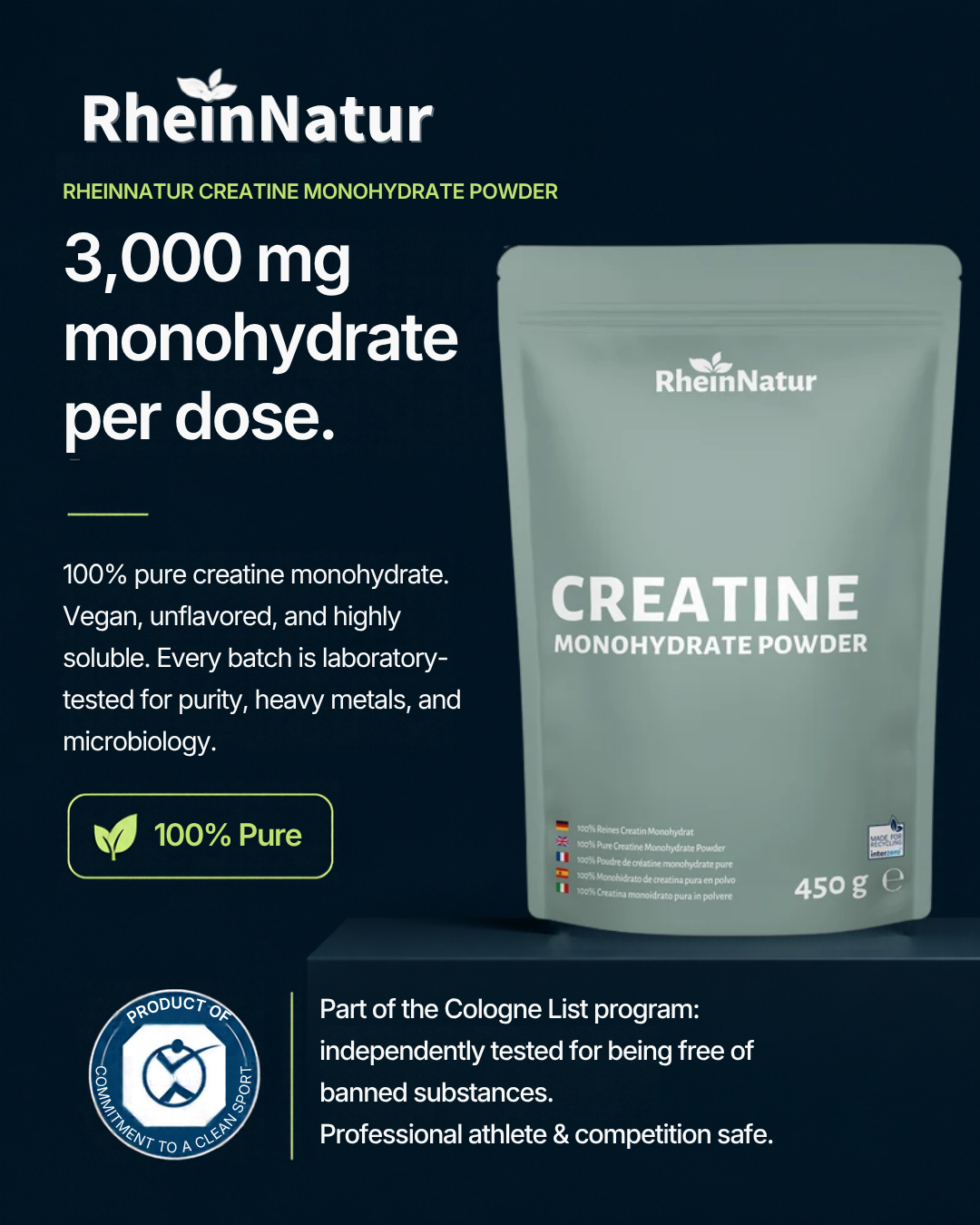
RheinNatur: straightforward supplementation with clean sport in mind
RheinNatur Creatine Monohydrate Powder provides 3,000 mg of creatine monohydrate per serving in a pure, vegan, unflavoured formulation. Our Creatine also participates in the Cologne List® program, supporting fairness in sport through testing for selected prohibited substances. This is an important risk-reduction measure, not a guarantee that every possible prohibited substance is absent.
The bottom line
Creatine’s most established benefits are better repeated high-intensity performance and greater gains from resistance training. Research on brain function and healthy ageing adds exciting possibilities, but deserves careful interpretation rather than exaggerated promises.
For most users, the foundations remain simple: choose quality creatine monohydrate, take it consistently, train appropriately, eat well and prioritise sleep.
This article is for general information and does not replace personalised medical advice. Follow the product label’s directions.